Most people get excited about a tiny home kit way before they ever look up local zoning rules. That's just human nature honestly, you see a cool build online, you order the materials, and only later does someone mention permits. Truth is, this order of operations causes more headaches than almost anything else in the tiny house world. Tiny house regulations vary wildly depending on where you live, sometimes even block to block within the same county, and skipping that research can turn a fun project into a legal mess fast.

Why Regulations Are Such a Patchwork Mess
Here's the thing nobody explains well. There's no single national rulebook for tiny houses. Some states have adopted the Appendix Q building code specifically for tiny homes, which makes life easier. Other places still classify anything on wheels as an RV, which means it can't legally be a permanent residence in a lot of zones. And then there's the in-between category, tiny houses on foundations that get treated like regular homes but still have to meet minimum square footage rules that, ironically, a tiny house might not meet. It's confusing on purpose almost, or at least it feels that way when you're the one trying to navigate it.
Kit Builders Often Skip the Legal Homework
A tiny home kit company is going to sell you materials and a floor plan, that's their business. What they're usually not doing is walking you through your specific county's zoning ordinance or your state's tiny house regulations. That's on you. And a lot of people find out the hard way, after they've already built the thing, that their finished home doesn't meet minimum size requirements, or that their land isn't zoned for a dwelling that small, or that the trailer classification creates a whole separate headache with the DMV. This isn't the kit company's fault exactly, it's just a gap that falls through the cracks because nobody's job is to catch it for you.
RV Classification Versus Permanent Dwelling
This distinction trips up more people than anything else, so let's slow down here. If your tiny house is built on a trailer and certified through something like RVIA, it often gets treated as a recreational vehicle. That's fine if you plan to move it around or park it in an RV community, but it means you generally can't use it as a full-time, permanent residence in most zoned residential areas. If you want it treated as an actual home, you're usually looking at a foundation-based build, or navigating a specific tiny house ordinance that some progressive counties have started adopting. Which route you take completely changes what kind of kit or build process makes sense for you.
How This Connects Back to the Trailer Itself
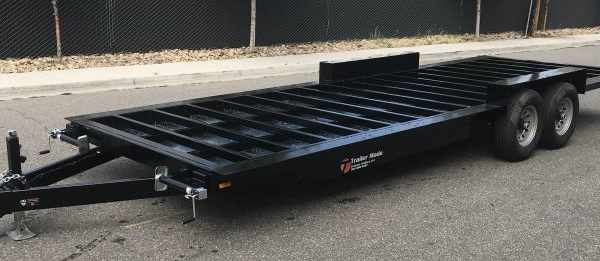
The trailer you choose actually plays into your regulatory situation more than people realize. A trailer that's certified and titled correctly gives you a paper trail that some jurisdictions require for legal occupancy. A random trailer bought off Craigslist with no clear title history can actually block you from getting your tiny house legally recognized, even if the build itself is solid. This is one more reason a generic tiny home kit paired with a random trailer can create problems down the line that have nothing to do with construction quality and everything to do with paperwork.
Permits, Inspections, and the Stuff Nobody Wants to Deal With
Let's be honest, permits are annoying. Inspections are annoying. But skipping them isn't a shortcut, it's a gamble. Building without proper permits can mean you're unable to sell the property later, unable to get insurance, or facing fines if code enforcement shows up. Some counties are lenient about tiny houses, some are aggressive about shutting down anything they consider unpermitted. Before you order a tiny home kit, it's worth an actual phone call to your local building department, not just a Google search, because rules change and websites don't always keep up.
Working With People Who Actually Know the Rules
This is where it pays off big time to work with builders who've dealt with tiny house regulations across multiple states or counties, not just people slinging kits without any regulatory context. Someone who's built dozens of these knows which states are tiny-house-friendly, which trailer certifications actually hold up under inspection, and how to structure a build so it's not fighting against local code from day one. That kind of guidance saves you from finding out the hard way, months or years into owning your tiny home, that something about it isn't technically legal where you've parked it.
Wrapping It Up
So here's the bottom line. A tiny home kit can absolutely get you a beautiful, functional tiny house, but the kit itself won't tell you whether you're allowed to live in it where you plan to put it. That part's on you, or better yet, on a builder who actually understands both construction and the regulatory side of things. Getting the trailer right, titled correctly and built to code, solves a huge chunk of the legal puzzle before it even becomes a problem. Trailer Made Custom Trailers builds with these regulations in mind from the start, not as an afterthought once something's already gone sideways. Visit Trailer Made Custom Trailers to talk through your build and make sure you're not accidentally building something you can't legally live in.
FAQs
Do tiny house regulations differ by state?
Yes, a lot. Some states use Appendix Q building code for tiny homes, others still treat them strictly as RVs, which limits where you can legally live full-time.
Can I use a tiny home kit and still meet local codes?
Usually yes, but you need to research zoning and permits separately, since most kits don't cover the legal side of things.
Is a tiny house on wheels considered a permanent residence?
Often not. If it's classified as an RV, most zoned residential areas won't allow it as a full-time dwelling.
Does the trailer affect my ability to get permits?
Absolutely. A properly titled, certified trailer makes the permitting and inspection process much smoother than an unclear or unregistered one.
Should I call my local building department before buying a kit?
Yes, definitely. Rules change often and vary by county, so a direct call beats relying on outdated info online.



Write a comment ...